Koronakis Transfers and Tours – Explore Corfu With Ease in Gouvia
There is a certain relief that comes with arriving in Corfu and knowing the practical side of the trip is already taken care of. Roads twist through olive groves, villages appear suddenly between cypress trees, and the island’s beauty can distract even the most organized traveler. That is exactly where Koronakis Transfers and Tours – Explore Corfu With Ease finds its place in Gouvia.
Based in one of Corfu’s most convenient coastal hubs, this local transfer and touring service helps visitors move around the island without stress, guesswork, or wasted time. Gouvia is already well placed for exploring the east coast, Corfu Town, the marina, beach areas, and mountain villages, so using a trusted local service here feels less like a formal booking and more like having someone on the island who knows the rhythm of the roads.
And in Corfu, rhythm matters. Morning traffic near the town can be very different from the sleepy calm of an inland route lined with lemon trees and old stone walls. A drive at sunset along the coast, with the sea turning silver-blue and the air still warm, can feel completely different from a midday transfer in August when cicadas buzz in the heat and the scent of dry herbs rises from the roadside. This is the setting in which local transport services become part of the holiday itself, not just a practical detail.
History and background
Transfer and touring businesses in Corfu grew naturally from the island’s long-standing relationship with hospitality. For generations, Corfiots have guided guests through a place that is far more layered than many first imagine. Venetian influences, British touches, French traces, Ionian architecture, old monasteries, fishing harbors, and village squares all sit within surprisingly short driving distances.
In that wider tradition, local family-run and locally rooted services such as Koronakis Transfers and Tours reflect something important about modern Corfu. They are not simply getting people from point A to point B. They are part of the island’s everyday social fabric, connecting airports with hotels, marinas with private villas, and busy resort areas with quieter corners that many visitors would otherwise miss.
Gouvia itself has a story that suits this kind of business well. Once a small coastal settlement tied closely to seafaring life, it later developed into one of Corfu’s best-known visitor bases thanks to its marina, easy road access, and proximity to major attractions. Today it remains practical without losing the feel of a lived-in place. You still notice older homes behind modern tourist infrastructure, local cafés opening early, and fishermen moving quietly along the waterfront before the day fully begins.
That mix of old and new is central to the experience here. Corfu may look relaxed, but the island runs on local knowledge. Knowing which route avoids delays, which beach road gets narrow in summer, or when to leave for a hill village before the midday heat settles in can make all the difference. Services built around these details have become increasingly valuable for travelers who want smooth logistics without losing the human touch.
Why it matters in modern Corfu
Corfu has changed over the years, but one thing has remained constant: people want to explore beyond the obvious. They want to see the grand arcades of Corfu Town, but also the quieter lanes where laundry hangs above the street. They want famous beaches, but also a tiny cove where the water glows emerald under pale rock. They want a holiday that feels easy, yet still personal.
That is why transfer and tour services based in places like Gouvia matter so much today. They support the entire travel ecosystem of the island. Guests arriving for weddings, boat charters, villa holidays, family breaks, or short stays all rely on dependable movement between key points. Hotels benefit from smooth arrivals. Travelers feel less pressure to rent a car immediately. Day trips become more manageable. Even a simple airport transfer can set the tone for the entire stay.
There is also a cultural aspect to this. Corfu is not a place best understood only through maps. It is understood through small observations: the bell tower rising over a village square, the smell of fresh coffee and butter biscuits in the morning, the local olive wood items sold beside jars of kumquat liqueur, the way older men pause under plane trees to talk politics and weather. A local touring service helps visitors read the island more clearly.
For many travelers, especially first-time visitors, this kind of support opens up attractions they might have skipped. Paleokastritsa, Old Perithia, Kanoni, Achilleion area viewpoints, coastal panoramas above Barbati, and inland settlements with strong Corfiot tradition all feel more accessible when transport is straightforward and well planned.
The experience: what visitors can expect
Using Koronakis Transfers and Tours in Gouvia is less about standing in lines or figuring out bus timetables and more about settling into the island at a comfortable pace. The experience begins with convenience, but what stays with many visitors is the chance to move through Corfu more calmly.
If you are arriving in peak season, that calm is worth a lot. Summer in Corfu is beautiful, but it can also be busy. Roads near popular beach zones fill up quickly, and parking in well-known areas can test anyone’s patience. A pre-arranged transfer removes the first layer of stress right away. Instead of navigating a new destination while the sun beats down and luggage wheels catch on uneven pavement, you can simply start looking out the window and take in the scenery.
And Corfu rewards that attention. From Gouvia, the island unfolds in contrasts. One moment you are passing marinas and resort roads, the next you are under shade from silver-green olive trees, with glimpses of the Ionian Sea flashing between trunks. In spring, the countryside still holds moisture and color. In high summer, the earth turns dusty gold, and the air carries pine, salt, and wild thyme.
For tours, expectations should be practical but enjoyable. This is not museum-style tourism with detached explanations. Corfu is best appreciated through movement, pauses, and changing landscapes. A good day out may include a coastal drive, a stop at a viewpoint where the sea looks almost painted, time in a village for coffee, and perhaps a longer visit to one of the island’s better-known attractions.
Ideal times to plan transfers or tours:
- Early morning for airport runs, photography, and quieter roads.
- Late afternoon for coastal drives, softer light, and cooler temperatures.
- May, June, September, and early October for the best balance of warmth and comfort.
Practical notes for visitors:
- Costs will vary depending on route, duration, and whether you are arranging a simple transfer or a custom tour.
- It is wise to organize transport in advance during summer, especially if you are staying in popular hotels or arriving on a weekend.
- Accessibility depends on the route and destination, as some Corfu attractions include steps, slopes, or uneven village surfaces.
If your aim is to see more than the standard beach strip, this kind of local service is especially useful. Corfu’s beauty often sits between major points on the map. A roadside chapel. A high bend with a view over emerald waters. A bakery stop in a village where the spinach pie is still warm. These details rarely appear in generic travel planning, but they often become the most vivid memories.
Directions and practicalities in Gouvia
Gouvia is one of the easiest places in Corfu to use as a base. It lies north of Corfu Town and is well connected by the main coastal road. That means reaching local transfer and tour services here is usually straightforward whether you are staying nearby or passing through from another part of the island.
By car: From Corfu Town, Gouvia is a short drive north. The route is direct and commonly used, making it one of the most convenient starting points for onward travel. If you are already using a rental car, access is simple, though summer traffic can build up during busy hours.
By bus: Public buses link Gouvia with Corfu Town and other areas, but schedules may not always match flight times or custom day plans. That is one reason many travelers prefer dedicated transfers when arriving with luggage or traveling in groups.
On foot: If you are staying in central Gouvia, many local businesses, cafés, hotels, and pickup points are within walking distance. The area is compact enough for easy movement, though pavements can be uneven in places.
By bike or scooter: This can work well locally, especially outside peak traffic periods, but for airport connections, long-distance sightseeing, or full-day exploring, organized transport is generally far more comfortable.
Parking: Gouvia offers parking in various areas, though availability depends heavily on the season and time of day. Near the marina and central strip, spaces can become limited in high summer. If you are arranging a meeting point, keeping things simple and clear is usually the best approach.
Surroundings and nearby highlights
One of the pleasures of starting in Gouvia is that you are close to both convenience and character. The village and its surrounding area make a useful base, but they also deserve a little unhurried time of their own.
The marina area brings a polished, international feel, with yachts rocking gently and the smell of sea air mixing with sunscreen and coffee. Nearby, the older parts of Gouvia still show traces of a more traditional coastal settlement. Early in the day, before the heat settles, the atmosphere is softer. You hear cutlery from breakfast terraces, distant road sounds, and the low murmur of people beginning the day.
For food, the wider area has plenty of choice, from casual grill spots to more refined restaurant terraces. Look for places serving proper Corfiot dishes rather than menus that try to please everyone at once. Sofrito, pastitsada, bourdeto, and fresh seafood are always worth your time. A simple lunch of grilled fish, village salad, bread, and cold white wine near the water can say more about the island than any formal itinerary.
Not far away, Kontokali offers another appealing stop, especially for seaside dining and calm water views. Dassia and Ipsos are also within easy reach if you want livelier stretches with beach bars, swimming options, and more tourist energy. For something quieter, inland detours quickly lead to olive-covered landscapes and villages where time feels slower.
If you have the chance to combine a transfer or tour with nearby attractions, these are strong options:
- Corfu Town: For arcades, fortresses, elegant squares, and layers of Venetian history.
- Danilia Village area: For a stylized but atmospheric look at village architecture and local design references.
- Kontokali: For waterfront moments and easy dining near Gouvia.
- Dassia and Ipsos: For beach time, casual cafés, and quick access to the east coast.
- Inland villages: For chapels, stone houses, shaded squares, and a stronger sense of old Corfu.
One small insider tip: if you are planning a fuller island day, try leaving Gouvia early and stopping first somewhere scenic before the heat peaks. Corfu’s light in the morning has a gentler quality. The sea often looks glassier, and the green hills seem fresher before the dust of the day rises. It is a better time for photos, but also for simply noticing more.
Final reflection
Travel in Corfu is not only about where you stay, swim, or eat. It is also about how you move through the island and whether that movement feels hurried or natural. Koronakis Transfers and Tours – Explore Corfu With Ease in Gouvia fits into the island in a practical but meaningful way, helping visitors experience Corfu with less friction and more presence.
And that presence is what people remember. The blue of the Ionian under late sun. The dry scent of herbs on a warm roadside. The first glimpse of a village bell tower above olive trees. The relief of not needing to puzzle out every turn. In a place as layered and beautiful as Corfu, ease is not a small luxury. It is often what allows the island to reveal itself properly.
From Gouvia, with the coast close by and the rest of the island opening in every direction, that feeling begins almost immediately.
Articles & News
Read the latest articles and news about Koronakis Transfers and Tours – Explore Corfu With Ease.
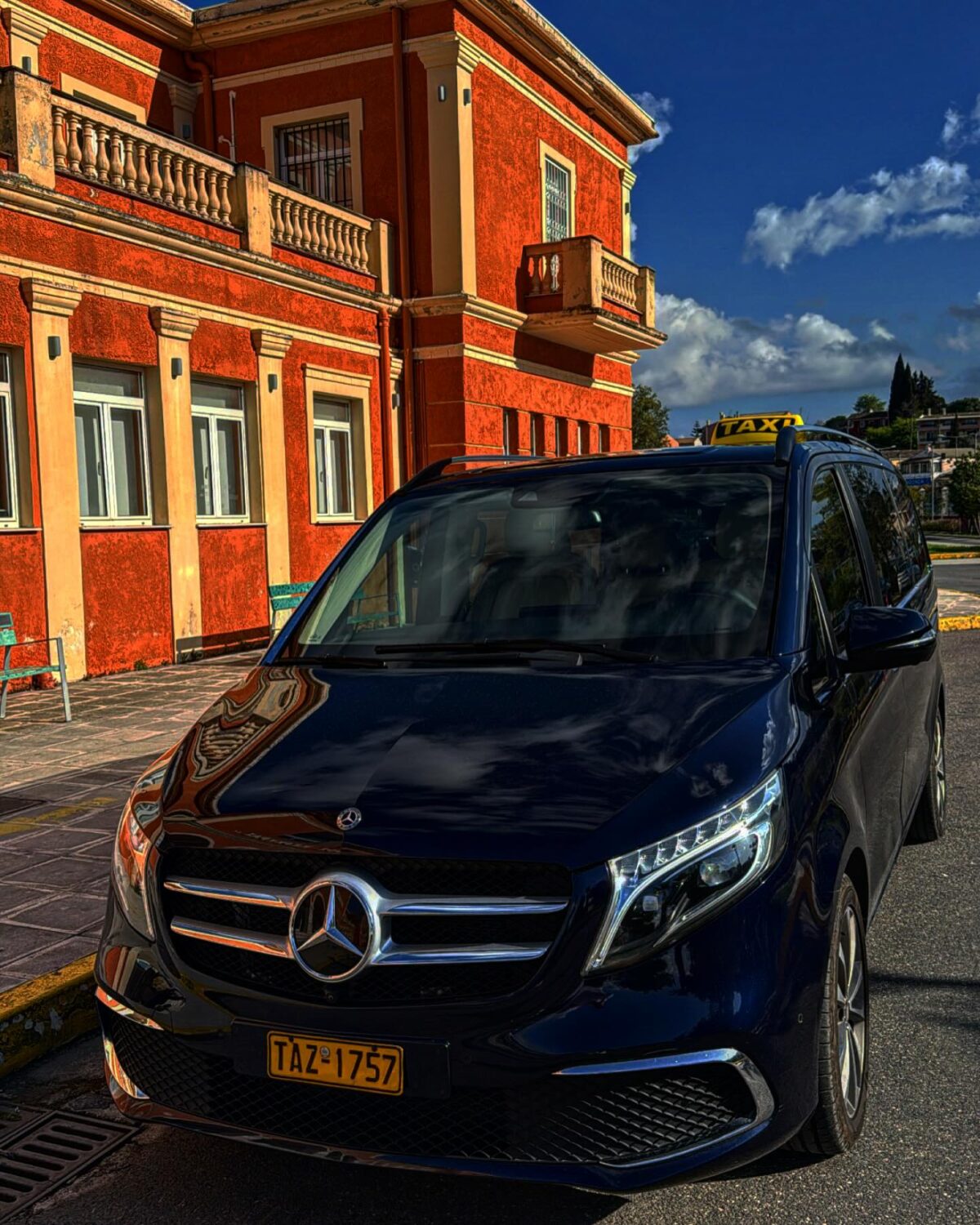
Koronakis Transfers and Tours – Explore Corfu With Ease is a taxi services listing in Gouvia, offering transportation for getting around Corfu. Contact: +30 698 715 9847.
25/01/2026
Koronakis Transfers and Tours – Explore Corfu With Ease is a taxi services listing in Gouvia, Corfu, offering practical transport for getting around the island.
25/01/2026







Dodaj komentarz