Paxos Island Cruise: 5 Hrs Blue Caves & Swimming 🌊 | Corfu
Discover Paxos Island from Corfu! Explore magical Blue Caves, swim in crystal-clear waters, and visit charming villages on a comfortable, seamless full-day cruise.
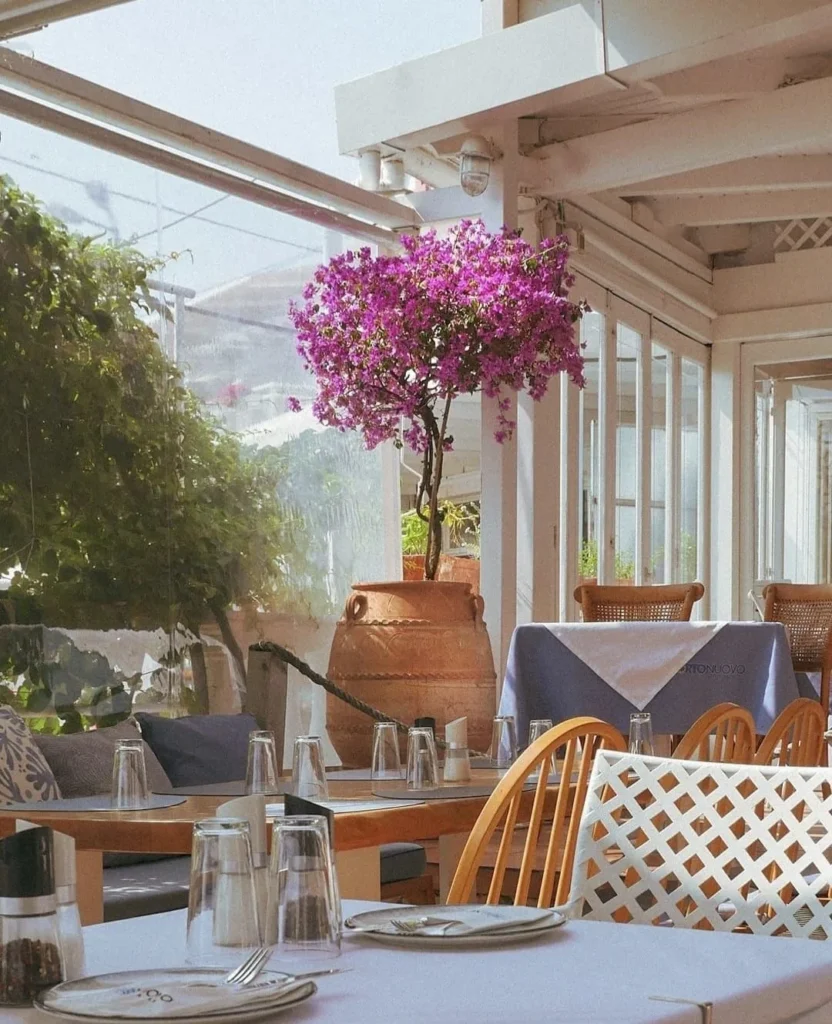
There are places in Corfu that make sense the moment you arrive. Porto Nuovo is one of them.
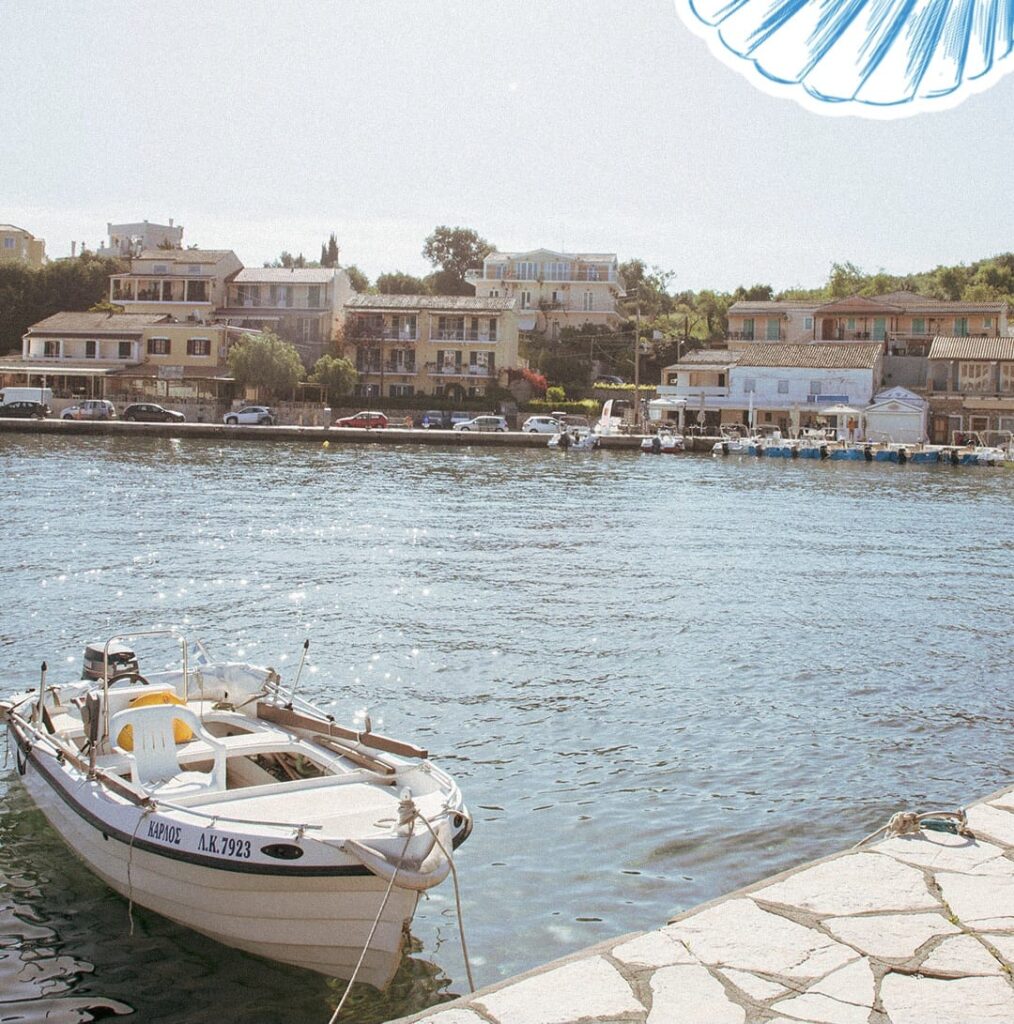
Set in Kassiopi 490 81, Greece, this seafront address fits naturally into the rhythm of the village. You hear the low clink of boat masts, catch the salty air coming off the bay, and see that particular Ionian blue that changes by the hour — pale and silvery in the morning, richer by noon, then almost inked with violet when the sun begins to drop behind the hills.
Kassiopi has long had a split personality in the best possible way. It is lively in summer, with tavernas and boats and people strolling late into the night, yet it still keeps the bones of an old fishing settlement. Porto Nuovo sits right in that balance. It offers the kind of stay that feels plugged into village life rather than sealed off from it.
For travelers looking through Kassiopi 490 81, Greece hotels, that matters. A lot. This is the part of northeast Corfu where your holiday is shaped as much by your morning walk for coffee as by the room itself. At Porto Nuovo, the atmosphere comes from the location, the sea-facing mood, and the easy access to everything that gives Kassiopi its character.
What stays with most people here is not just the convenience. It is the feeling. Warm stone underfoot after sunset. The scent of grilled fish drifting from the harbor. Cicadas buzzing from the olive-covered slopes above the village. Small fishing boats rocking gently in water so clear you can often see the pebbled bottom from the quay.
That is the north Corfu many people come looking for.
Kassiopi itself has a deep past, and any stay here is part of a much older story. The village was known in antiquity and later under Roman and Byzantine influence. Its strategic harbor made it important for trade and defense, and the remains of Kassiopi Castle above the village still remind visitors that this was never just a pretty bay. It was a lookout point, a maritime stop, and a place people needed to protect.
The name Porto Nuovo carries an Italian flavor, which feels right in Corfu. Venetian rule shaped the island for centuries, and that influence still lingers in architecture, street names, and local habits. You see it in shutter colors, arched openings, and the practical elegance of old Ionian architecture. Even modern buildings in coastal villages often borrow something from that style — a balcony line, a certain symmetry, a preference for light and air.
While Porto Nuovo is part of contemporary tourism in Kassiopi, it belongs to a wider Corfiot tradition of hospitality that began long before online bookings and travel platforms. Families in villages across the island have welcomed summer guests for generations. In places like Kassiopi, accommodation often grew organically from older homes, waterfront plots, or family-run properties that expanded as tourism developed from the late 20th century onward.
That evolution matters because it explains why this area still feels personal. Even where tourism is strong, there is often a family hand behind what visitors experience — someone who knows the weather patterns, which beach works best when the wind turns, and where to go for the freshest octopus that day.
Locals in Kassiopi also like to tell stories about the village’s old harbor life. Ask an older resident and you may hear how different the waterfront looked before pleasure boats became common, when fishing skiffs and small trading vessels were the everyday scene. Summer visitors now bring energy and income, but the memory of a working harbor remains close to the surface.
That gives a place like Porto Nuovo more depth than a simple holiday base. It stands in a village where the sea has always been more than a view. It has been livelihood, connection, protection, and identity.
Modern Corfu is full of contrast. There are polished resorts, mountain hamlets, city mansions, beach bars, and quiet monasteries. Kassiopi has managed to hold a special place among all of this because it works for different kinds of visitors at once. Couples come for the waterfront mood. Families like the easy beaches and walkable center. Returning travelers choose it because it still feels recognizably Corfiot, even at the height of summer.
Porto Nuovo fits into that modern role neatly. It supports the local tourism economy while keeping visitors close to real village life. You are not watching Kassiopi from a distance. You are in it. That means breakfast within earshot of the harbor, spontaneous swims in emerald waters, evening strolls past souvenir shops mixed with bakeries and everyday businesses, and the chance to understand how the village moves through a summer day.
There is also something symbolic about staying in this part of Corfu. Northeast Corfu has long attracted travelers who want beauty without complete isolation. It offers scenery, but also structure. You can enjoy beaches, tavernas, boat trips, and local attractions without spending half the day in transit. In that sense, Porto Nuovo reflects what many people now want from island travel: comfort, access, and a sense of place.
Kassiopi’s harbor remains one of the social anchors of the area. In the evening, families walk the promenade, teenagers gather in little groups, and visitors browse menus while boats return from the day’s tours. It is tourism, yes, but not tourism drained of local life. The village still belongs to its residents too.
That overlap is where the place feels most honest.
The first thing many visitors notice is the light. North Corfu light has a crispness to it, especially in the morning. Around Porto Nuovo, the sea reflects it upward so walls, pavements, and balconies seem brighter than you expect. Even a short walk outside can feel cinematic before the heat builds.
Then comes the soundscape. Not dramatic, just layered. A scooter passing. Cutlery from a nearby taverna. The flutter of laundry on a balcony. A church bell further inland. The lazy percussion of cicadas once the sun is fully up. If your room catches the harbor side, the water adds its own rhythm — the soft tap of ropes against hulls and the occasional engine starting somewhere out in the bay.
For visitors exploring Kassiopi 490 81, Greece attractions, this location is practical because much of what people come for is close at hand. The village beaches are walkable. The harbor is close. Shops, cafés, tavernas, and small excursion points are all part of the immediate setting. That means your day can stay relaxed and unforced.
A typical good day here starts early. Not because you have to, but because Corfu rewards early risers. Before 9am, Kassiopi still has a sleepy softness. The air smells faintly of salt and pine resin. You can walk toward the water with a coffee and watch the bay come into focus. By late morning, the village is livelier, and that is when many people head to the beach or join one of the local boat tours along the coast.
If you are planning swims, bring water shoes. Many beaches around Kassiopi are pebble or shingle rather than sand. The payoff is cleaner, clearer water. Avlaki, Kanoni, Bataria, and Pipitou are all well-known nearby swimming spots, each with its own mood. Bataria is famous for those postcard-style white pebbles and startlingly transparent sea, while Pipitou feels more intimate and has a wonderfully rugged shoreline.
The hottest part of the day is ideal for a long lunch or a shaded pause. Corfiot summer sun is not shy. Light clothing, sunscreen, and a hat make a real difference, especially if you are walking uphill toward the castle.
By late afternoon, Kassiopi gets its second wind. This is one of the best times to explore. The heat eases. The harbor starts glowing gold. Tavernas begin setting tables for dinner. If you walk up toward the castle ruins around then, the view over the coast is especially rewarding. You get a sweep of sea, rooftops, olive groves, and distant Albanian mountains if the air is clear.
As for practical visitor details, Porto Nuovo functions primarily as accommodation, so there is no entry fee in the way there would be for a museum or formal attraction. Rates vary by season, with July and August generally the busiest and priciest months. June and September are often the sweet spot in this area: warm sea, long light, and a more breathable pace.
Accessibility in Kassiopi depends a lot on the exact route and property layout. The village center is manageable on foot, but some surfaces are uneven and certain streets narrow. If mobility is a concern, it is always wise to confirm specific access details in advance, particularly regarding stairs, bathroom setup, and distance from parking to the property entrance.
Families tend to find Kassiopi easy because essentials are nearby and the atmosphere is sociable rather than chaotic. Couples often like the evening mood best. Solo travelers usually appreciate how simple it is to move between beach time, dining, and village wandering without needing a car every minute of the day.
Porto Nuovo is in Kassiopi 490 81, Greece, on the northeast coast of Corfu. From Corfu International Airport and Corfu Town, the drive usually takes around 50 minutes to 1 hour 15 minutes depending on traffic and the season.
By car, the route is straightforward by island standards. Most drivers head north via the main road and continue through the inland and coastal network toward Kassiopi. Roads narrow in places, and summer traffic can slow things down, especially when buses and delivery vans meet on bends. Drive patiently. Corfu roads reward calm rather than speed.
If you are hiring a car, smaller vehicles are often easier in village settings. Parking in Kassiopi can be tight in peak season, though there are public parking areas and roadside options depending on the time of day. If your accommodation offers or advises a parking solution, use it. In July and August, arriving earlier in the day usually makes parking less stressful.
By bus, Corfu’s Green Bus service connects Corfu Town to Kassiopi, usually with more frequent schedules in summer. It is a budget-friendly option and gives you a feel for the island beyond resort strips. The ride can take longer than driving, but it is perfectly workable for travelers who do not want a car. Once in Kassiopi, much of the center is walkable.
Taxis are available from the airport and Corfu Town, though the fare is naturally higher than the bus. For late arrivals, heavy luggage, or family groups, a taxi or pre-booked transfer can be worth the ease.
Walking within Kassiopi is one of the pleasures of staying here. Distances are short, though the village includes slopes and some uneven paving. Comfortable sandals or trainers are better than flimsy flip-flops if you plan to explore properly.
Biking is possible, but the terrain around northeast Corfu can be hilly and roads are not always ideal for casual cyclists. Confident riders may enjoy it, especially outside peak traffic hours, but for most visitors, walking and occasional driving are the easier combination.
For supplies, Kassiopi has mini markets, bakeries, pharmacies, and seasonal shops. You are not cut off here. That is one reason so many people return. The village feels like a holiday setting, but it still functions as a real place.
The immediate area around Porto Nuovo is one of its best assets. Kassiopi packs a lot into a small waterfront footprint, and wandering is half the fun.
Start with the harbor itself. This is where you can pause for coffee and watch the village perform its daily ritual. Fishing boats, rental boats, excursion departures, and late diners all pass through the same compact scene. It is one of the easiest places in Corfu to settle into without needing a plan.
For food, local tavernas around Kassiopi range from traditional grills to seafood-led kitchens with tables almost touching the water. Look out for dishes that feel rooted in Corfu rather than interchangeable holiday fare: sofrito with its white wine and garlic richness, pastitsada with warming spice, grilled sardines, bourdeto if available, and village salads with proper local olive oil. Bread often arrives still warm. House wine is usually better than people expect.
If you want a local tip, eat a little later but not too late. Around 8pm to 8:30pm, the light is still beautiful, the heat has eased, and the harbor has not yet become fully crowded. It is the hour when everything feels easy.
For coffee or a slow drink, the waterfront cafés are ideal for people-watching, but some of the quieter back lanes are worth your time too. A tucked-away spot just off the main promenade can give you a more relaxed feel for village life, especially in the morning when locals are out doing errands before the tourist pace takes over.
The beaches nearby are a major draw. Bataria Beach is the one many first-timers seek out, and for good reason. The water there has that glass-like clarity northeast Corfu is known for. Pipitou is close and often loved just as much by those who prefer a slightly less polished atmosphere. Kanoni Beach offers lovely swimming and views, while Avlaki, a little further out, has a broader, calmer feel and a wonderful sense of open space.
For walkers, the path up to Kassiopi Castle is worth doing even if ruins are not normally your thing. The route passes through a more residential side of the village, with bougainvillea spilling over walls and the occasional old stone detail surviving between newer summer properties. At the top, the view reminds you why this site mattered for centuries.
Boat hire is another classic experience here. Even a small self-drive boat lets you see the coastline properly: hidden coves, pine-backed inlets, pale stone beaches, and water that shifts from emerald to sapphire with every turn. Many visitors say their best day in Kassiopi came from simply packing water, fruit, and towels and drifting between swim stops along the coast.
If you have a car, you can also explore nearby villages and coves across the northeast. Agios Stefanos Sinies has a quietly elegant harbor mood. Kalami carries literary associations through the Durrell family and still has a lovely bay for lunch and a swim. Old Perithia inland offers a completely different side of Corfu, with stone houses, mountain air, and tavernas under the shade of old trees.
These nearby attractions matter because they show how varied this corner of the island is. One day you are at the sea, tasting salt on your lips after a swim. The next you are in a hillside village hearing goat bells and smelling wood smoke and oregano.
Some places in Corfu impress you instantly, then fade into a blur of photos later. Porto Nuovo has a better quality than that. It settles in slowly.
It is there in the morning brightness on the harbor. In the easy walk back from a swim with pebbles still warm under your feet. In the sound of plates and conversation drifting through the evening air. In the sight of boats rocking gently while the sky turns from peach to blue-grey and the first lights begin to blink on around Kassiopi.
What makes this stay memorable is not one dramatic feature. It is the accumulation of small, true things. The working-village feel. The access to beaches. The blend of Ionian scenery and lived-in atmosphere. The fact that you can be a visitor and still feel, for a little while, folded into the everyday life of north Corfu.
In a destination where many travelers search among hotels, tours, and attractions for something that feels genuinely connected to the island, this is where Porto Nuovo stands out. It gives you Kassiopi at close range — sunlit, salty, sociable, and unmistakably Corfiot.
And once you have had a few evenings here, with the harbor murmuring below and the scent of the sea still hanging in the air, it becomes very easy to understand why people come back.
Leave a Reply