Ah, Corfu! There’s a certain magic that washes over you the moment you step foot on this enchanting Ionian island. But nowhere does that magic feel more palpable, more deeply rooted, than within the ancient embrace of its capital. Imagine narrow, cobbled alleyways whispering tales of bygone eras, sun-drenched squares bustling with life, and a grand fortress standing sentinel, its stone walls bearing witness to centuries of tumultuous history. This, my friends, is where the heart of Corfu truly beats – in the captivating fusion of the Old fortress and Corfu Old Town: History and culture.
For me, a local, it’s not just a collection of buildings; it’s a living, breathing story. Every stone, every archway, every winding lane tells a part of Corfu’s incredible journey. It’s a place where you can spend hours simply wandering, getting gloriously lost in the labyrinthine “kantounia,” only to stumble upon a hidden square or a charming café. And towering over it all, the Old Fortress, an architectural marvel, beckons you to uncover the layers of its past. This isn’t just a sightseeing trip; it’s an immersion into the very soul of Corfu, Greece.
A Journey Through Time: Unraveling Corfu’s Storied Past
To truly appreciate the Old Fortress and Corfu Old Town, you need to understand where it all began. The story stretches back to Byzantine times, when the initial fortifications were laid out on the promontory where the Old Fortress now stands. But it was during the long and influential Venetian rule, lasting from the 14th to the late 18th century, that the town and its defenses truly flourished and took on the iconic character we see today. The Venetians, masters of fortification, transformed the strategic peninsula into an impregnable stronghold.
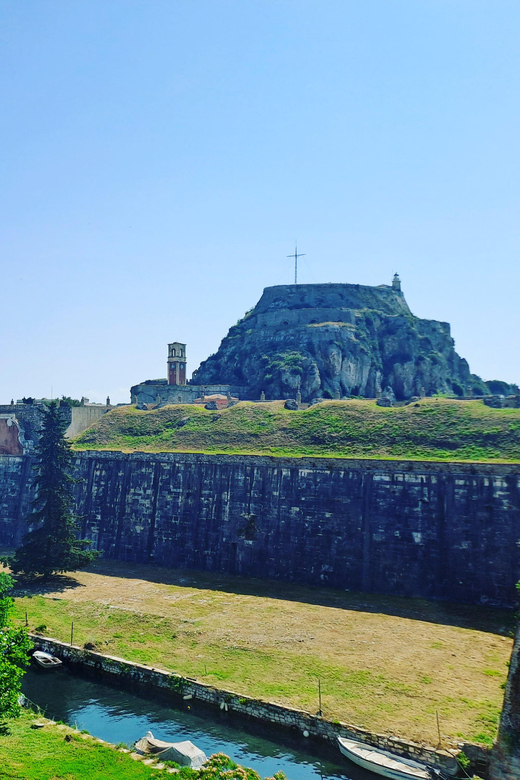
They built not one, but two formidable fortresses – the Old Fortress (Palaio Frourio) and the New Fortress (Neo Frourio) – connected by the town itself, creating an extraordinary defensive system. The Old Fortress, separated from the main town by a deep, artificial moat called the Contrafossa, became a virtually island stronghold. Its design was revolutionary, featuring ingenious bastions, intricate tunnels, and a network of defenses aimed at repelling the most determined invaders, particularly the fierce Ottoman Empire. The Ottomans besieged Corfu multiple times, most notably in 1537, 1716, and 1799, but thanks to these “advanced fortification arts,” as GetYourGuide aptly puts it, Corfu never fell to them. This resilience earned it the nickname “the shield of Christendom.”
Walking through the Old Town, you can still feel the Venetian influence in every detail: the pastel-coloured multi-story buildings, the arcaded Liston promenade reminiscent of Rue de Rivoli in Paris (built later by the French), and the narrow streets designed to confuse invaders. After the Venetians, the French, the British, and a brief period of Russian and Ottoman influence each left their mark, adding further layers to the town’s unique architectural tapestry and cultural identity. It’s a living history book, open for you to read.
The Heartbeat of Modern Corfu: Significance Today
Today, the Old Fortress and Corfu Old Town are far more than historical relics; they are the vibrant pulse of contemporary Corfu. In 2007, the Old Town of Corfu was inscribed as a UNESCO World Heritage site, a testament to its outstanding universal value. This recognition solidified its place on the global map, drawing visitors from every corner of the world eager to experience its unique charm.
The Old Fortress itself plays host to numerous cultural events, especially during the summer months. Imagine open-air concerts under the stars, with the ancient walls as your backdrop, or theatrical performances echoing through the historic courtyards. The Department of Music of the Ionian University is also housed within the fortress, adding a contemporary academic buzz to the ancient setting. It’s a place where history and modernity gracefully intertwine, making it a focal point for both locals and tourists.
The Old Town, with its bustling squares and charming streets, remains the social and commercial hub of Corfu. Locals gather for coffee in Spianada Square, families enjoy evening strolls, and the traditional Corfiot pasardes (strolls) are still a beloved ritual. It’s where traditions are kept alive, where the unique Corfiot dialect is spoken, and where the island’s proud identity truly shines. For anyone visiting Corfu, experiencing this vibrant heart is absolutely essential.
Stepping Inside: Your Visit and Experience Guide
Ready to explore? A visit to the Old fortress and Corfu Old Town: History and culture is an adventure you won’t soon forget. I always tell visitors to dedicate at least half a day, if not more, to truly soak it all in. And for the best experience, especially for those keen on understanding the “ingenious architecture” and the epic battles, a guided tour is absolutely invaluable.
The GetYourGuide experience, for example, promises a “guided tour to the ingenious architecture of the Old Fortress and the Old Town of Corfu.” This kind of tour brings the stones to life, explaining the defensive strategies, the daily lives of the soldiers, and the stories behind the major landmarks. It’s one thing to see; it’s another to understand.
What to See and Do:
- The Old Fortress: Cross the Contrafossa bridge and step into another era. Climb to the very top for breathtaking panoramic views of the Old Town, the Ionian Sea, and the Albanian coast in the distance. Don’t miss the charming Church of St. George, a Doric-style temple built by the British, and the iconic clock tower. It’s truly an awe-inspiring place.
- Spianada Square: One of the largest squares in Greece, Spianada is the heart of the Old Town. It’s perfect for people-watching, enjoying a coffee at one of the cafés lining the Liston arcade, or simply relaxing under the shade of its trees.
- The Liston: This elegant arcaded promenade, with its French architectural flair, is a must-stroll. It’s lined with cafés and restaurants, making it the perfect spot for an evening aperitivo.
- The Labyrinthine Streets (Kantounia): Lose yourself in the narrow, winding alleys. Discover hidden boutiques, artisan shops, and traditional tavernas. Every turn offers a new delightful surprise.
- Churches: Pay a visit to the iconic Church of Saint Spyridon, the patron saint of Corfu, with its distinctive red dome and impressive bell tower. Inside, you can see the relics of the saint.
Insider Tips for Your Visit:
- Best Time to Visit: Early morning or late afternoon are ideal. The light is softer for photographs, the temperatures are cooler, and you avoid the midday crowds. Plus, the sunset views from the Old Fortress are absolutely magical.
- Wear Comfortable Shoes: Seriously, this is not the place for high heels. The Old Town is all cobblestones and uneven surfaces, and climbing the fortress requires sturdy footwear.
- Hydrate: Especially in the summer months, carry water with you. There are plenty of cafes, but having your own bottle is always a good idea.
- Entry Fees: There is typically a small entrance fee for the Old Fortress. This contributes to its upkeep and preservation. Guided tours often include this fee, but always confirm when booking.
- Accessibility: While the Old Town has many accessible areas, the Old Fortress itself, with its numerous steps and uneven paths, can be challenging for those with mobility issues. However, the lower levels and surrounding Spianada are easily navigable.
Embrace the stories, imagine the past, and let yourself be transported. This is an experience that will stay with you long after you’ve left Corfu.
Getting There: Directions and Location
One of the beauties of the Old Fortress and Corfu Old Town is its central and accessible location in the heart of Corfu Town, the capital of Corfu, Greece. You simply can’t miss it!
How to Reach:
- Walking: If you’re staying anywhere in Corfu Town, walking is by far the best way to get around and truly experience the atmosphere. The Old Fortress is at the eastern edge of the Old Town, adjacent to Spianada Square.
- Public Transport:
- Blue Buses (City Buses): These buses serve Corfu Town and its immediate surrounding areas. If you’re coming from a nearby suburb or your accommodation is slightly outside the centre, you can take a Blue Bus to San Rocco Square or the main bus stop near Spianada, and then it’s just a short walk.
- Green Buses (Intercity Buses): If you’re coming from further afield on the island (e.g., Paleokastritsa, Sidari, Kavos), the Green Bus terminal is located just outside Corfu Town. From there, it’s about a 15-20 minute walk to the Old Town and Fortress, or a short taxi ride.
- Car: Driving directly into the Old Town is generally restricted and not advisable due to narrow streets and pedestrian zones. Instead, I recommend parking your car in one of the designated parking areas just outside the historic centre.
- Parking Options: Look for parking lots near the Spianada Square (though these fill up quickly) or further along the coastal road towards the port. From these points, it’s a pleasant stroll into the heart of the Old Town.
- Taxi: Taxis are readily available throughout the island and will drop you off at the closest accessible point to the Old Town, usually near Spianada or one of the main entrances.
- Biking: While biking through the Old Town’s narrow, sometimes crowded streets can be a bit challenging, it’s a lovely way to get to the outskirts and then explore on foot.
Corfu Town is designed for pedestrian exploration, so embrace the walk and let the charm unfold before you.
Beyond the Walls: Surroundings and Nearby Highlights
Your journey into the Old fortress and Corfu Old Town: History and culture doesn’t end at its walls. The surroundings are just as rich and inviting, offering a plethora of other attractions, dining experiences, and relaxation spots. Corfu, Greece, truly has it all right on your doorstep.
Dining & Cafés:
- The Liston: As mentioned, this iconic arcade is brimming with elegant cafés, perfect for enjoying an espresso or a traditional Greek coffee while watching the world go by.
- Old Town Tavernas: Wander into the “kantounia” (narrow streets) and discover charming family-run tavernas serving authentic Corfiot dishes like Pastitsada (pasta with slow-cooked beef or rooster), Sofrito (veal in white wine sauce), and Bourdeto (spicy fish stew). My personal tip: look for places tucked away from the main thoroughfares for a more authentic, local experience.
- Modern Eateries: Corfu Town also boasts contemporary restaurants offering fusion cuisine and international dishes, often with stunning views of the sea or the fortress.
Shopping:
- Souvenirs & Crafts: The Old Town is a treasure trove for unique souvenirs. Look for handmade leather goods, olive wood carvings, traditional pottery, and local lace.
- Kumquat Products: Corfu is famous for its kumquat liqueur, jams, and sweets. You’ll find specialty shops offering various kumquat delicacies – a perfect local treat to take home.
Nearby Attractions & Museums:
- New Fortress: Just a short walk from the Old Town, the New Fortress offers more incredible views and another dive into Corfu’s defensive architecture. It’s often less crowded than its older sibling.
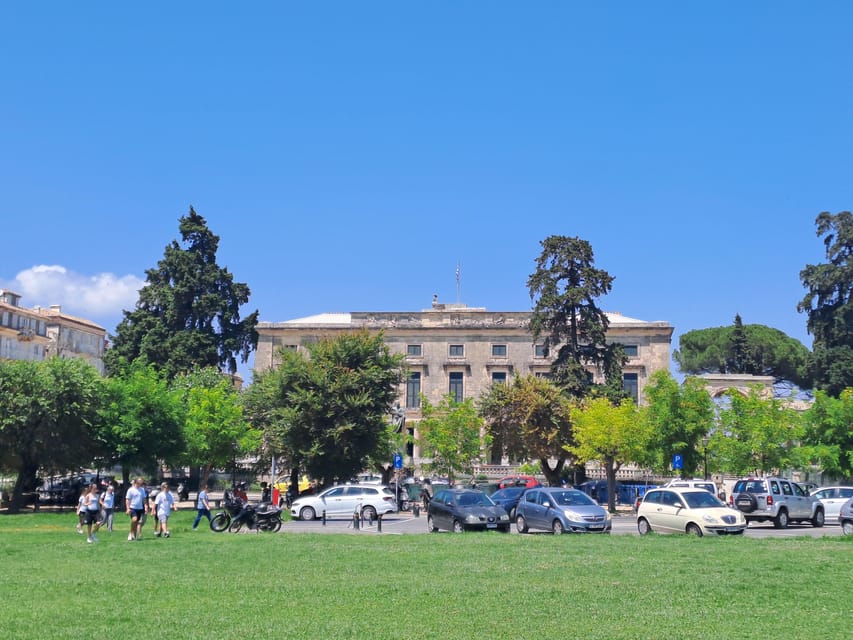
- Museum of Asian Art: Housed in the beautiful Palace of St. Michael and St. George (on Spianada Square), this unique museum features an impressive collection of Asian art, largely from private donations.
- Archaeological Museum of Corfu: Discover artifacts spanning from the Paleolithic era to the late Roman period, including the famous Gorgon pediment from the Temple of Artemis.
- Byzantine Museum of Antivouniotissa: Located in a former church, this museum showcases a remarkable collection of Byzantine and post-Byzantine icons and religious artifacts.
Beaches & Relaxation:
- Faliraki Beach: Right below the Old Town walls, near the Palace, you’ll find a small, charming pebble beach with clear waters, often with a café-bar. It’s perfect for a quick dip on a hot day.
- Mon Repos Beach: A short bus ride or pleasant walk south of the Old Town brings you to Mon Repos, a lovely green estate with a small, organized beach and the ruins of the ancient city of Palaiopolis. The Mon Repos Palace, birthplace of Prince Philip, Duke of Edinburgh, is also here.
- Further Afield: Of course, Corfu is renowned for its stunning beaches. From the Old Town, you’re perfectly positioned to embark on day trips to iconic spots like Paleokastritsa with its dramatic cliffs and emerald waters, or the sandy stretches of Glyfada and Myrtiotissa.
Hotels:
The Old Town itself offers a range of boutique hotels and charming guesthouses, perfect for those who want to be immersed in the historical atmosphere. Just outside the centre, you’ll find larger hotels and resorts offering various amenities and spectacular views of the Ionian Sea.
Every corner you turn, every street you wander, the area around the Old Fortress and Corfu Old Town promises more discoveries, more flavors, and more stories. It truly encapsulates the magic of Corfu, Greece.
Discover Your Own Corfiot Story
So, there you have it – a glimpse into the captivating world of the Old fortress and Corfu Old Town: History and culture. It’s more than just an attraction; it’s an invitation. An invitation to step back in time, to feel the echoes of Venetian grandeur, to walk the same cobblestones as ancient heroes and modern-day romantics. It’s about more than just seeing; it’s about feeling the soul of an island shaped by centuries of resilience and beauty.
Whether you choose to embark on a fascinating guided tour, letting an expert storyteller bring the past to vivid life, or prefer to simply wander, allowing the charming “kantounia” to lead you where they may, this magnificent historic heart of Corfu, Greece, promises an unforgettable experience. Come, breathe in the history, savor the culture, and let Corfu weave its timeless spell on you. Your own personal Corfiot story is waiting to be written.